

Blog Details
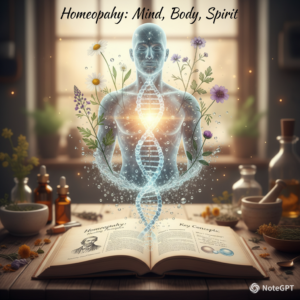
Homeopathy is a holistic system of medicine that has been used for over 200 years. Founded by Samuel Hahnemann in the late 18th century, homeopathy is based on the principle of treating the whole person—mind, body, and spirit—rather than just focusing on isolated symptoms. This system of medicine uses highly diluted natural substances to stimulate the body’s healing abilities.
But how does homeopathy work? What makes it different from conventional medicine? In this post, we’ll break down the basics of homeopathy, explaining its principles, the way remedies are made, and how they are used to treat various conditions.
1. What is Homeopathy?
Homeopathy is an alternative medical system that aims to help the body heal itself. It works on the belief that symptoms are not merely problems to be eliminated, but signals that the body is trying to heal. Homeopaths aim to find the root cause of a health issue, rather than just treating symptoms.
Key Concepts:
Like Cures Like (The Law of Similars): Homeopathy operates on the principle of “like cures like.” This means that a substance that causes symptoms in a healthy person can be used to treat similar symptoms in someone who is ill. For example, if exposure to a substance causes itching or a rash, a homeopathic remedy made from that substance (in a highly diluted form) might be used to treat skin conditions like eczema or hives.
Minimum Dose: Homeopathic remedies are prepared by diluting substances in water or alcohol to extremely low concentrations, often to the point where no molecules of the original substance remain. This “dilution” is believed to enhance the healing properties of the remedy, activating the body’s vital force to restore balance.
Individualized Treatment: Homeopathy takes an individualized approach. Instead of prescribing the same remedy to everyone with a similar condition, homeopaths tailor treatment to each person’s overall health, lifestyle, and emotional state. This holistic approach looks at physical, mental, and emotional symptoms.
2. How Are Homeopathic Remedies Made?
The process of making homeopathic remedies involves diluting a substance multiple times and then succussing (shaking) it vigorously. This is done to potentize or energize the substance, transferring its healing properties into the water or alcohol used in the remedy.
The Preparation Process:
Mother Tincture: The raw material (often a plant, mineral, or animal substance) is soaked in alcohol or water to create the “mother tincture.”
Serial Dilution: This tincture is then repeatedly diluted with water or alcohol, usually in a 1:10 or 1:100 ratio. After each dilution, the mixture is succussed (shaken vigorously). This process is done several times, resulting in highly diluted preparations.
Potentization: The more times a substance is diluted and succussed, the more potent it is believed to become. In fact, homeopathic remedies are often diluted to the point where no molecules of the original substance remain, yet they are still believed to have therapeutic effects.
Common Sources for Homeopathic Remedies:
Plants: For example, Arnica montana (from the Arnica plant) is commonly used to treat bruising and muscle pain.
Minerals: Remedies made from minerals like Sulphur or Calcarea carbonica are used to treat a variety of conditions.
Animals: Remedies can also be made from animal substances, such as Apis mellifica (from the honeybee), which is used to treat insect bites or allergic reactions.
3. The Principle of Vital Force
One of the fundamental ideas in homeopathy is the concept of the “vital force,” which is believed to be the body’s inner energy or life force. This vital force governs the body’s ability to heal itself and maintain balance.
When a person is ill, it’s thought that their vital force is out of balance. Homeopathic remedies are believed to stimulate the vital force, helping the body to restore balance and heal naturally.
Key Idea:
Homeopathy doesn’t just focus on the physical symptoms of a condition; it aims to address the underlying energetic imbalance in the body. By restoring balance to the vital force, homeopathy seeks to promote overall well-being.
4. How Does Homeopathy Work?
Homeopathic remedies are believed to work by stimulating the body’s innate ability to heal itself. Since remedies are prepared from natural substances and diluted to extremely low concentrations, they are thought to work by triggering a response from the body’s vital force.
How Homeopathy Works:
Stimulation of Healing: The remedy matches the patient’s symptoms, which “awakens” the body’s healing response.
Holistic Healing: Homeopathy doesn’t just treat a symptom—it works to restore balance and address the root cause of illness, which can involve physical, emotional, and mental components.
Personalized Treatment: Remedies are tailored to the individual. A homeopath will consider all aspects of your health, including your temperament, personality, and lifestyle, to prescribe the most appropriate remedy.
5. What Conditions Can Homeopathy Treat?
Homeopathy is used to treat a wide range of acute and chronic conditions, from minor ailments to more serious long-term health issues. Some common conditions treated with homeopathy include:
Acute Illnesses: Colds, flu, sore throat, headaches, digestive issues, and minor injuries.
Chronic Conditions: Asthma, allergies, eczema, migraines, arthritis, and digestive disorders.
Mental and Emotional Health: Anxiety, depression, stress, and sleep disorders.
Pediatric Care: Teething, colic, ear infections, and behavioral issues in children.
6. The Homeopathic Consultation: What to Expect
A typical homeopathic consultation involves a thorough assessment of your health history, including your physical symptoms, emotional state, lifestyle, and even your preferences or fears. Unlike conventional medicine, which often focuses on specific conditions, homeopathy looks at you as a whole person. The consultation may last anywhere from 30 minutes to an hour or more, depending on the complexity of your case.
What a Homeopath Might Ask:
What are your main symptoms?
How long have you been experiencing them?
Are there any specific triggers that make your symptoms better or worse?
How do you feel emotionally? Are there any underlying stressors in your life?
How do you generally feel—energetically, emotionally, physically?
Based on this information, the homeopath will prescribe a remedy that matches your symptom picture.

7. Is Homeopathy Safe?
Homeopathy is generally considered safe when prescribed by a trained professional. Since homeopathic remedies are highly diluted, they do not have the toxic side effects associated with many pharmaceutical drugs. However, it’s essential to consult a qualified homeopath, especially if you have pre-existing conditions or are taking other medications.
Safety Considerations:
Consult a Professional: While homeopathy is safe for most people, it’s important to work with a trained practitioner who can select the correct remedy and dosage for your needs.
Avoid Self-Treatment: Although homeopathic remedies are widely available over-the-counter, it’s always best to consult a professional to ensure you’re using the right remedy for your unique condition.
Conclusion
Homeopathy is a holistic, natural form of medicine that treats the whole person rather than just focusing on symptoms. By using highly diluted remedies derived from plants, minerals, and animals, homeopathy works to stimulate the body’s vital force and encourage self-healing. Whether you’re seeking relief from acute illnesses, chronic conditions, or emotional imbalances, homeopathy offers a gentle and individualized approach to healing.
If you’re interested in exploring homeopathy or have any questions about how it can help you, don’t hesitate to reach out to a qualified homeopath for more information or a consultation.
Call to Action:
Are you ready to experience the benefits of homeopathy? Book a consultation with one of our experienced homeopaths today and take the first step towards natural, holistic healing!
Contact
Dr. Chhavi Gupta
Phone/Whatsapp: +9191091 02650
Email: contact@homeopathy-world.com
Website: www.homeopathy-world.com
Recent Posts
Recent Comments